


Why Regenerative Rice Belongs on the Thanksgiving Table

Rice isn't a Thanksgiving tradition for most Americans. Thanksgiving means potatoes, stuffing, rolls. Starches that soak up gravy and anchor the plate. Rice doesn't make the cut.
Maybe it should.
Not because you need another dish to cook. Not because regenerative agriculture is trendy. But because rice grown the right way tastes like something, and most of the rice you've eaten your entire life tastes like nothing at all.
Your Rice Tastes Like Cardboard for a Reason
Commodity rice, the stuff in the big bags at the grocery store, is grown fast, cheap, and hard. Fields are flooded, drained, and doused with synthetic fertilizers and pesticides to push maximum yield. The soil is treated like a manufacturing input, not a living system.
The result? Rice that's technically edible but fundamentally bland. A neutral vehicle for butter or sauce. Something you tolerate, not something you taste.
That's not what rice is supposed to be.
Rice grown in living soil, soil that's fed with cover crops, diverse rotations, and minimal chemical intervention, tastes nutty. Almost sweet. It has texture that isn't just "soft" or "sticky" but distinct, with a grain that holds its shape and a finish that's clean, not gummy.
This is what regenerative farming does. It doesn't just grow rice. It builds soil that grows rice worth eating.
Regenerative Without the Sermon
Regenerative agriculture is farming that puts more life into the soil than it takes out. Instead of mining nutrients and replacing them with synthetic inputs, regenerative farmers work with biology: cover crops, crop rotation, reduced tillage. They create soil that's healthier every year.
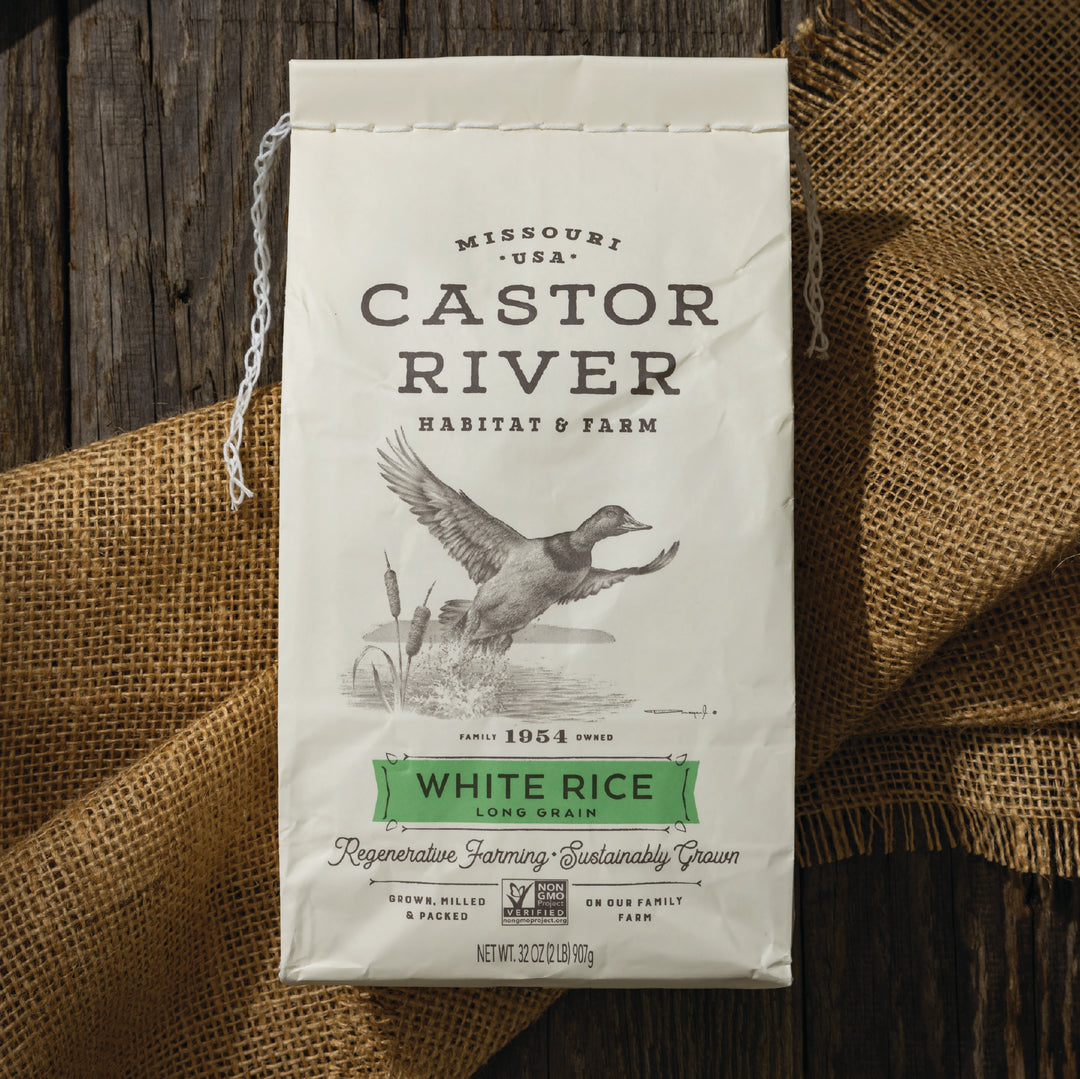
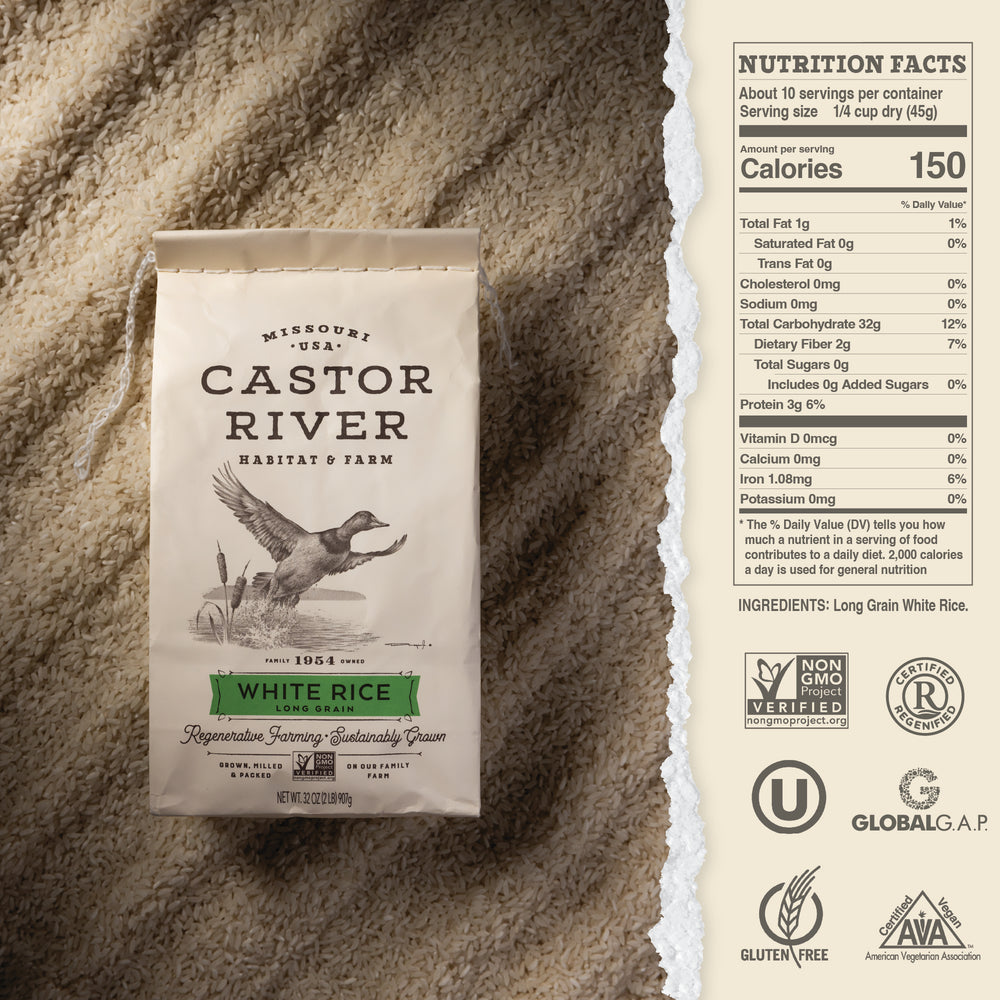
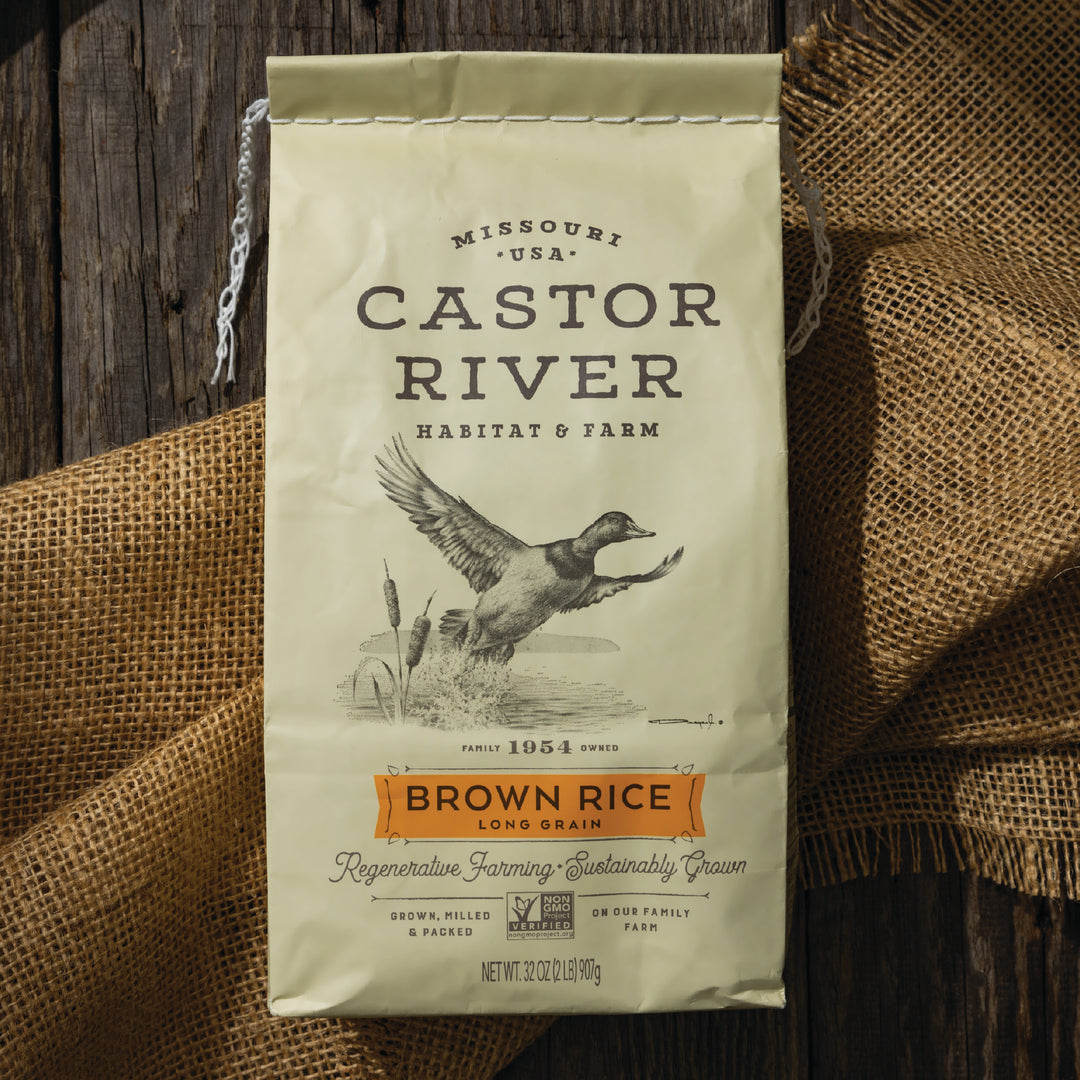
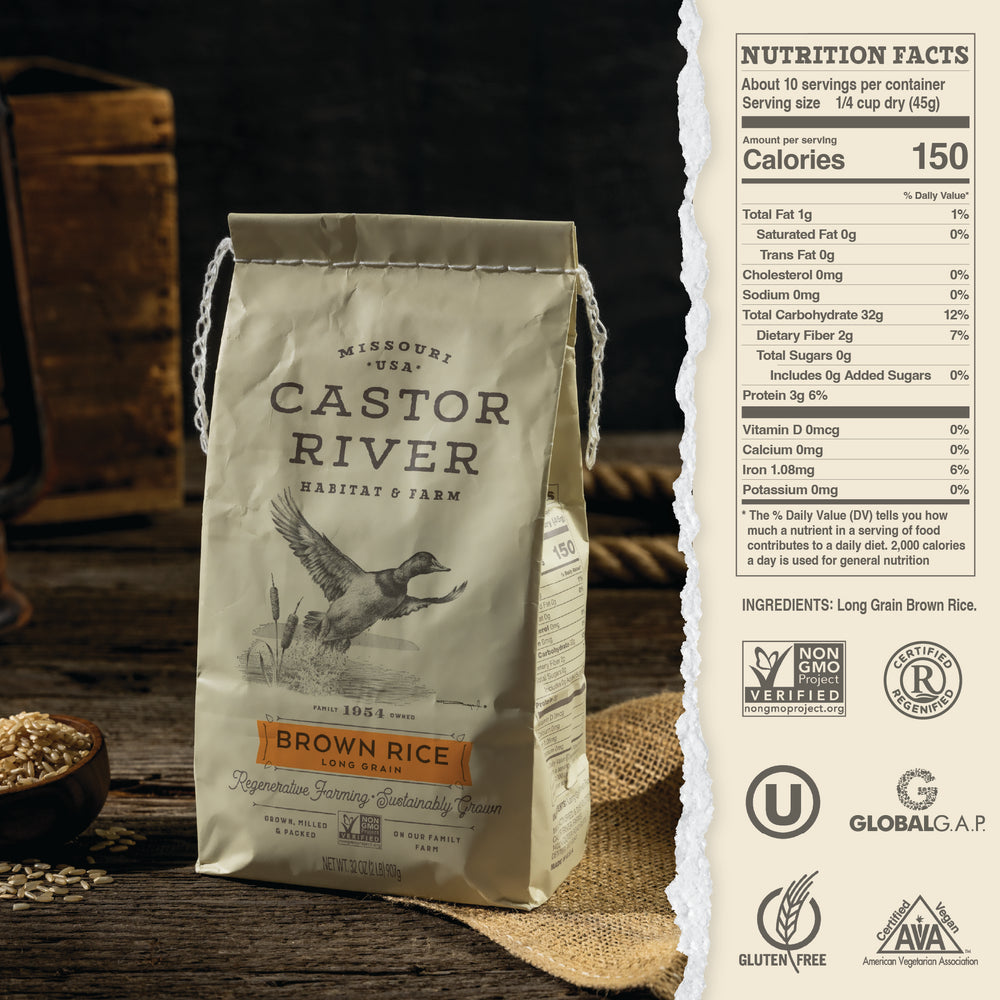
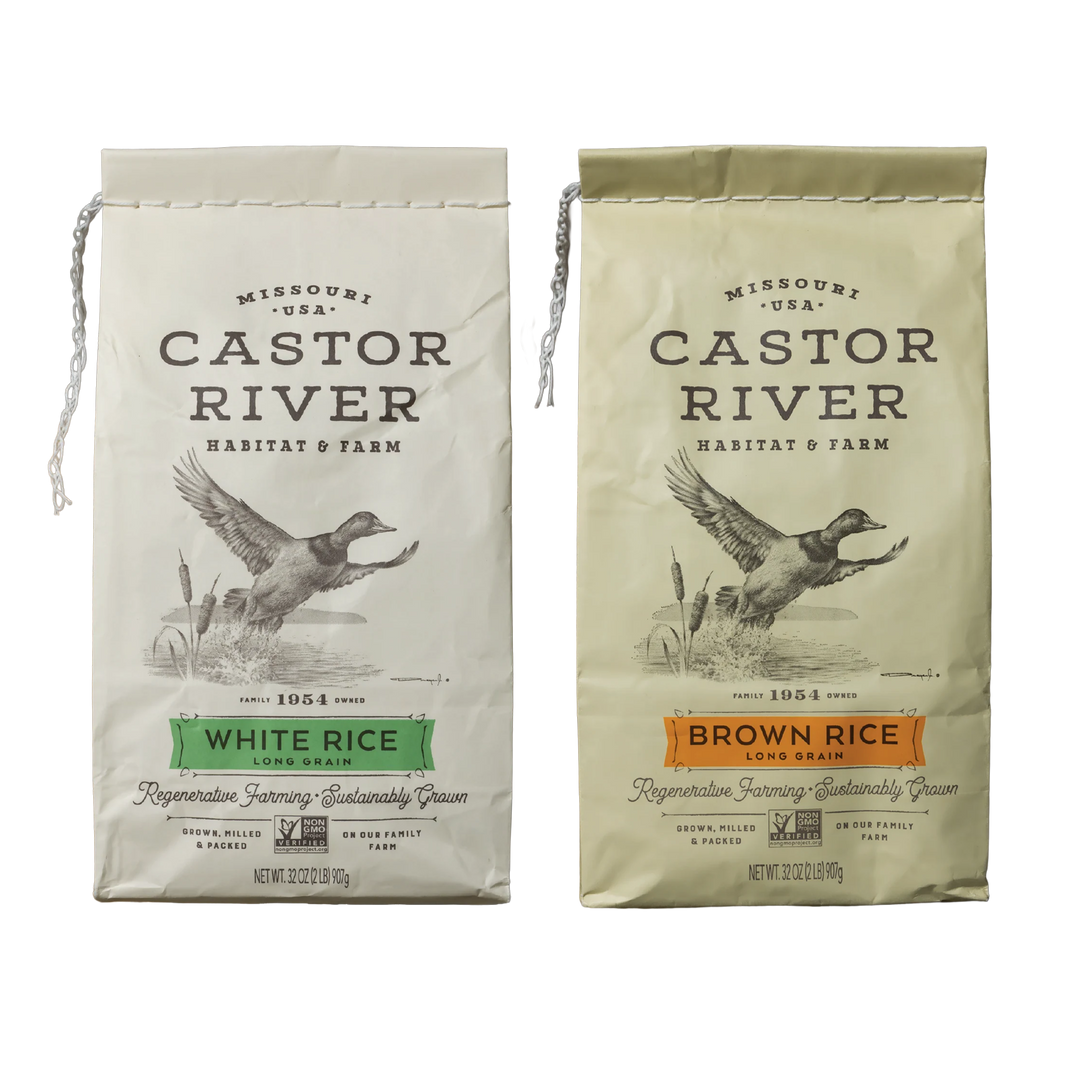
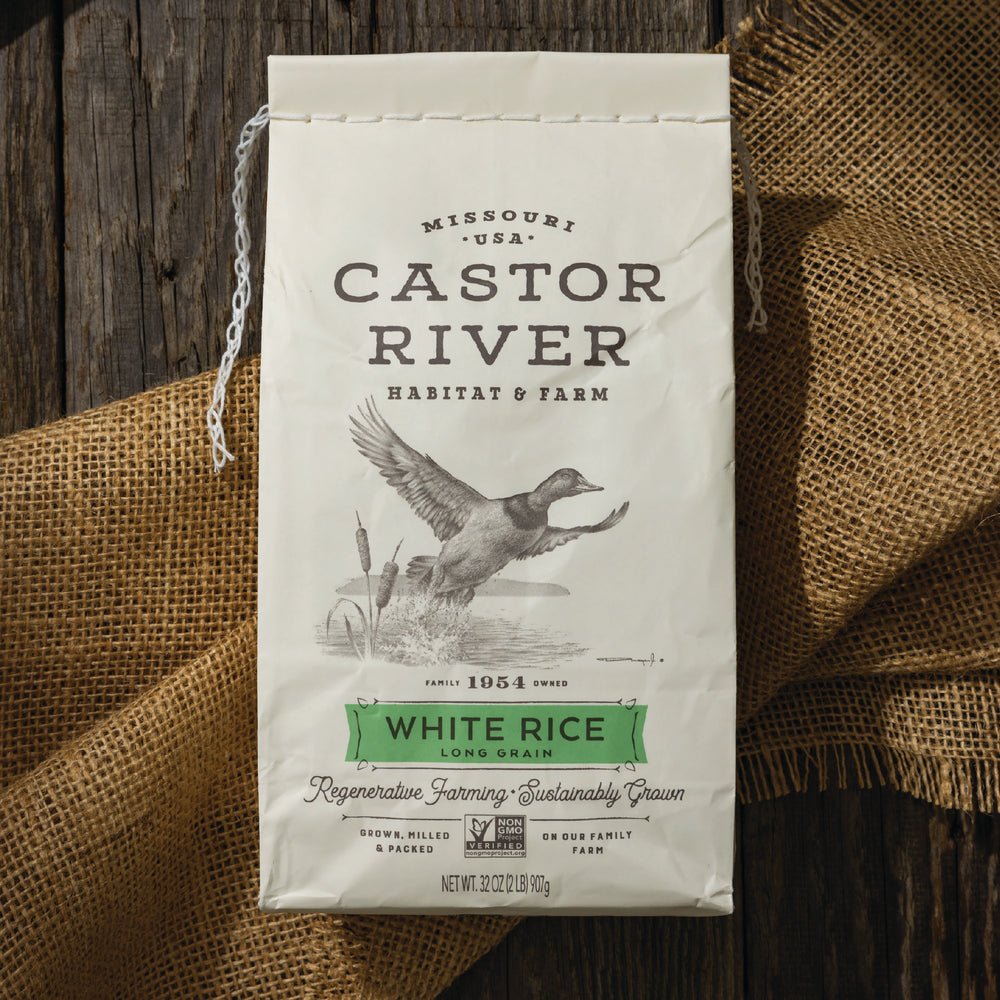
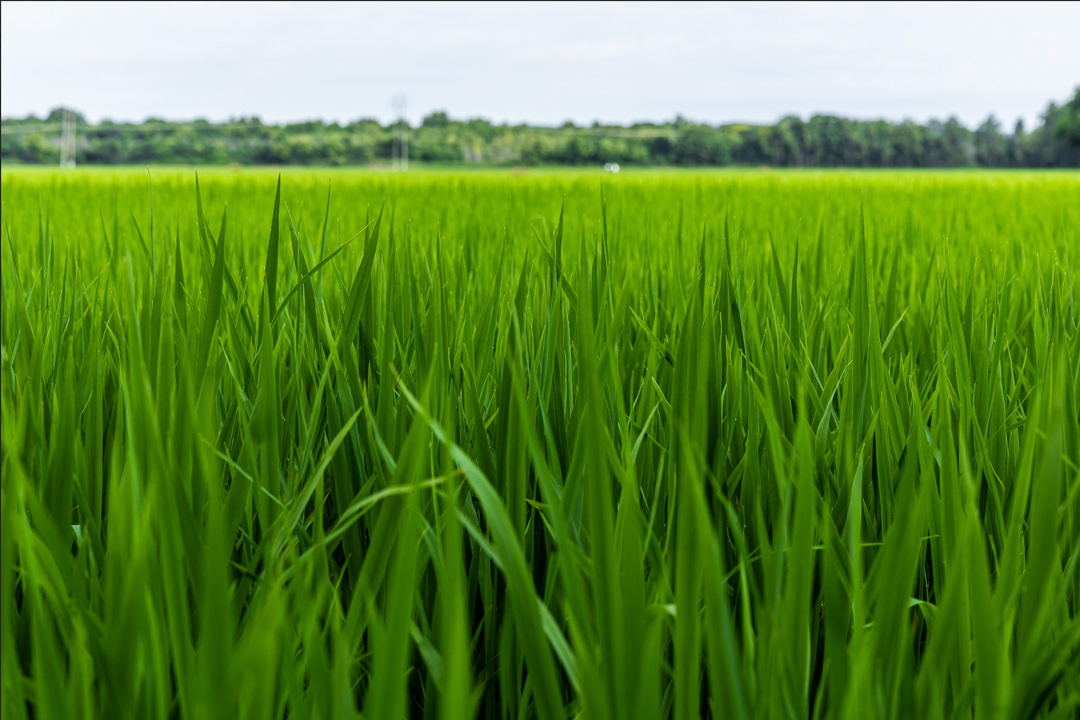
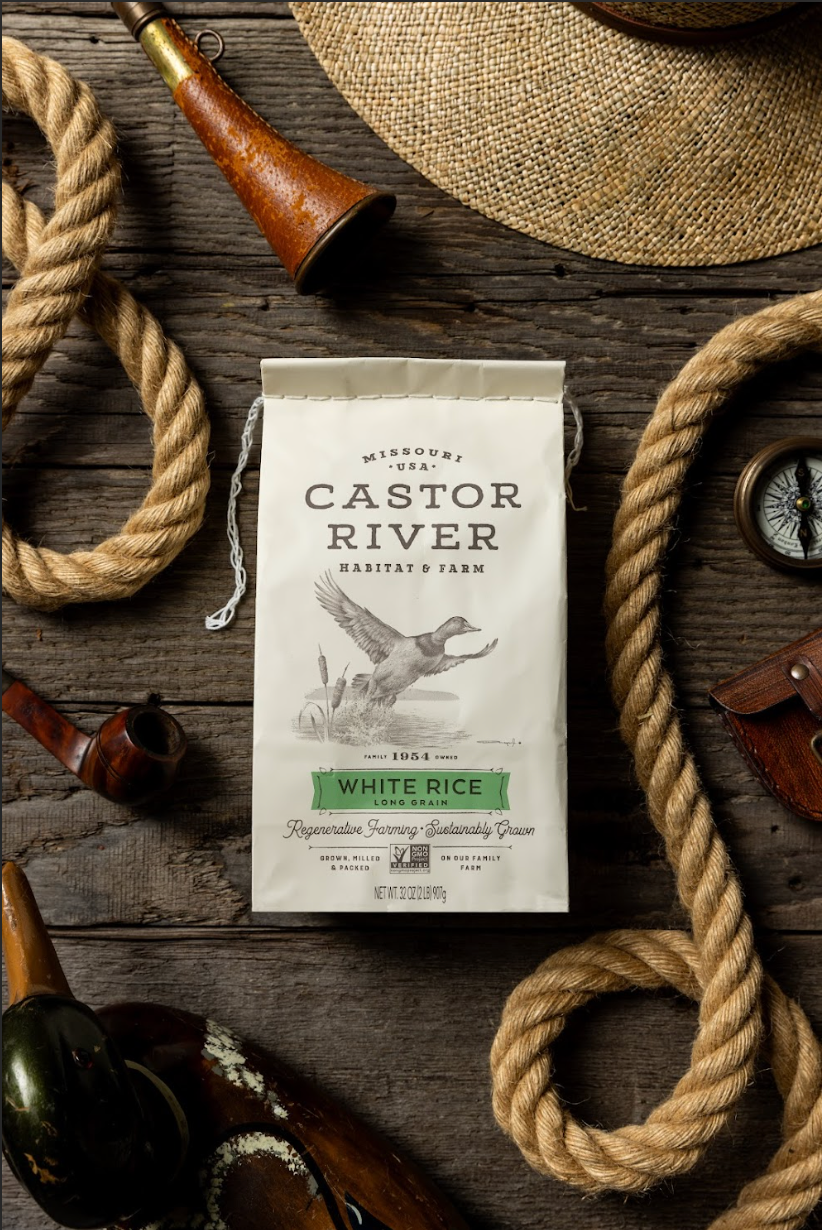
For Castor River Farms, that means rice grown in fields that aren't just producing a crop, but rebuilding an ecosystem. The soil is alive with microbes, fungi, and organic matter. The water is clean. The carbon stays in the ground instead of the atmosphere.
And the rice? It tastes different because it is different. Plants grown in living soil don't just survive. They thrive. They produce more nutrients, more flavor compounds, more of what makes food actually nourishing.
You can taste it. That's not marketing. That's biochemistry.
Three Reasons Rice Earns Its Real Estate
Thanksgiving tables are crowded. Every dish has to earn its place. So here's why rice, regenerative rice, deserves a spot:
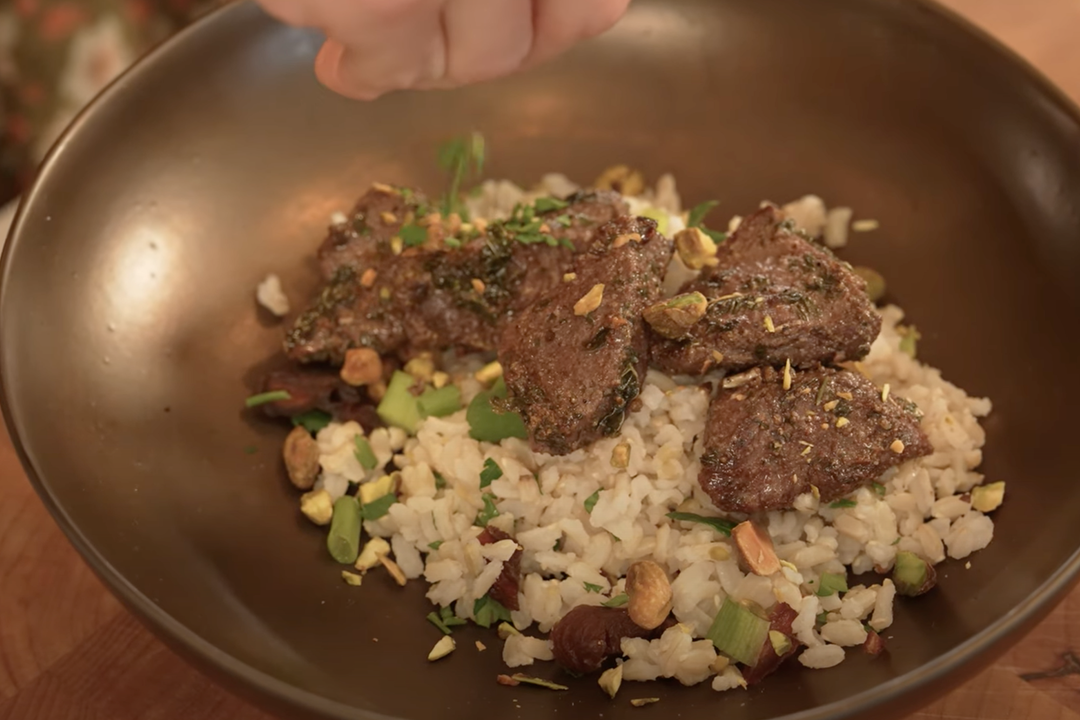
It complements everything. Turkey, ham, duck. Whatever protein is on your table, a well-made rice pilaf works. It's not competing with stuffing or mashed potatoes. It's offering something different: a nutty, textured side that soaks up pan drippings and balances rich, heavy flavors.
It's forgiving. Unlike rolls that need perfect timing or mashed potatoes that get gummy if overworked, rice pilaf is flexible. Make it an hour ahead and keep it warm. It won't suffer.
It uses Thanksgiving flavors in a new form. Cranberries, pecans, fresh herbs, a splash of stock. These are ingredients already on your counter. A wild rice and cranberry pilaf isn't a departure from tradition. It's tradition in a different shape.
Rice That Tastes Like Something
You don't need to care about regenerative agriculture to enjoy this dish. You don't need to understand soil biology or carbon sequestration or any of the systems that make this rice different.
You just need to taste it.
But if you do care, if you're tired of food that's cheap and empty, if you want to support farmers who are building something instead of extracting it, if you think the way we grow food should leave the land better than we found it, then this rice is how that belief shows up on your table.
Not as a sacrifice. Not as virtue signaling. But as something genuinely worth eating.
Thanksgiving is about abundance. About gratitude for what the land provides. About gathering around food that matters.
This year, let some of that food be rice. Real rice. The kind that tastes like the soil it came from.
Order now or find us on Amazon!