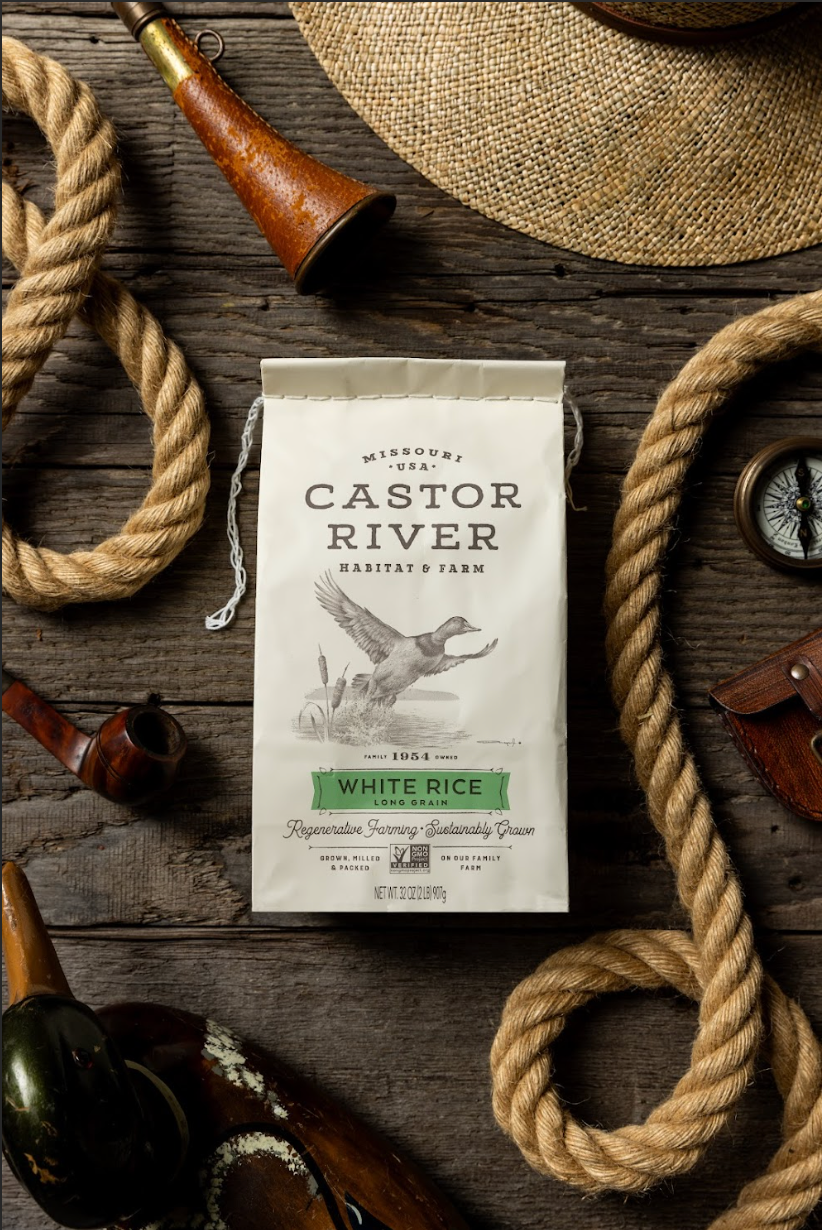



How Seasonal Soil Shapes the Flavor of Castor River Rice

Most people don't think about rice having flavor. It's treated as a blank canvas, a neutral base designed to absorb whatever sauce or seasoning you add to it. But rice grown in living soil, allowed to mature through distinct seasonal transitions, develops flavor characteristics that reflect where and how it was grown.
At Castor River Farms, the rice you taste in your bowl carries the signature of Missouri's seasons. Understanding this seasonal influence reveals why soil health and flavor quality are inseparable.
Spring: When Biology Activates
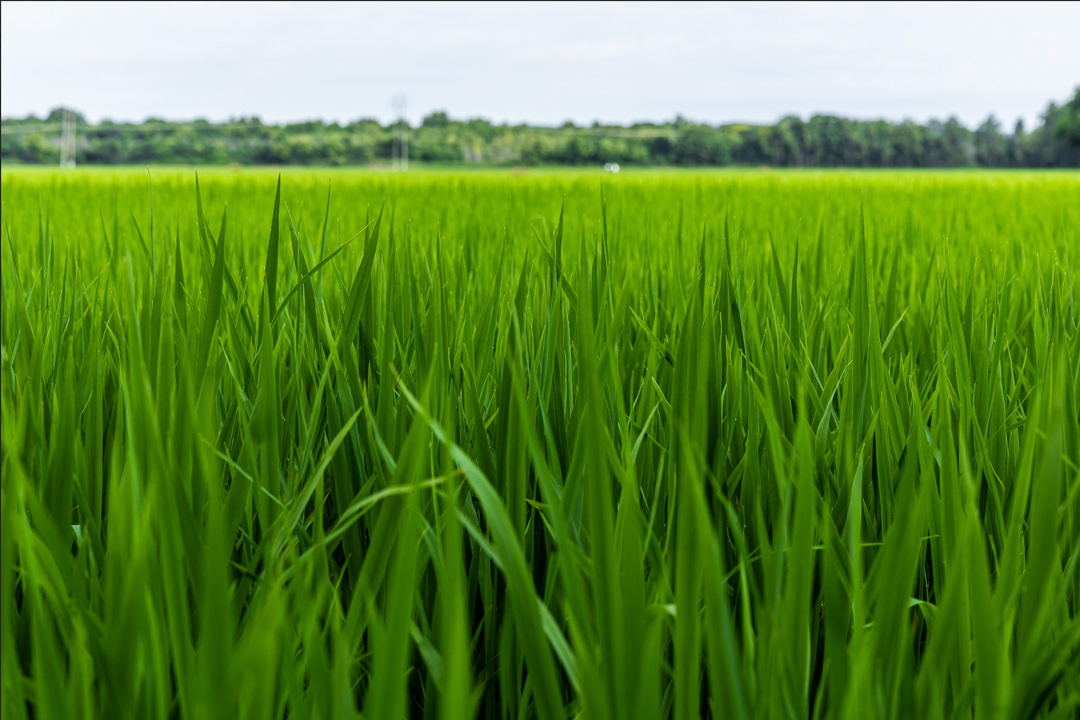
Rice planting in the Missouri Bootheel begins in mid-April as soil temperatures climb above 60°F. But the conditions that matter most were established months earlier, when winter cover crops were growing and feeding soil microbes.
By planting time, those cover crops have created biologically active soil rather than sterile dirt. Mycorrhizal fungi form symbiotic relationships with rice roots, helping plants access not just phosphorus and water but also trace minerals and secondary metabolites that contribute to grain complexity. Rice plants connected to robust fungal networks access a broader spectrum of soil chemistry than plants in depleted ground.
Spring soil temperatures and moisture also affect germination uniformity. Uneven germination creates uneven maturity, leading to mixed grain quality at harvest. Some kernels mature perfectly while others remain underdeveloped, resulting in inconsistent cooking properties and muddy flavor. Our focus on uniform planting ensures even emergence, setting the stage for consistent quality months later.
Summer: The Nutritional Foundation
During summer, rice plants convert sunlight, water, and carbon dioxide into the starches and proteins that fill the grain. But photosynthetic efficiency depends heavily on what's happening below ground.
Soil biology controls nutrient availability. Nitrogen exists in soil primarily in organic forms that plants can't use directly. Soil bacteria and fungi break down organic matter, converting organic nitrogen into plant-available forms through mineralization. The rate depends on temperature, moisture, and microbial community diversity.
Fields with high biological activity mineralize nutrients steadily throughout the growing season, providing rice with consistent nutrition. Fields with depleted biology release nutrients erratically, creating stress that affects grain development and flavor.
Rice subjected to nitrogen stress early in development, followed by excess nitrogen later, produces grain with uneven protein distribution and off-flavors. Rice receiving balanced nutrition throughout the season develops cleaner, more refined flavor profiles.
Fall: The Critical Transition
Fall is when seasonal influence on flavor becomes most apparent. As day length shortens and temperatures cool, rice shifts from vegetative growth to grain filling. This period, lasting 30-40 days, determines most of the rice's final characteristics: starch composition, protein content, mineral concentration, and flavor compound development.
Cool nights prove particularly valuable. During daylight, photosynthesis produces sugars. At night, plants burn some through respiration to maintain cellular functions. Cooler temperatures reduce respiration rates, meaning more photosynthetic production gets stored in grain rather than burned for maintenance.
The Bootheel's fall pattern of warm days (75-85°F) and progressively cooler nights (50s-60s) creates ideal conditions for high-quality grain development. The result is grain with higher starch density and more complete flavor development.
We harvest later than conventional growers, allowing an additional 10-14 days for full maturation. This patience produces measurable differences: higher resistant starch levels, increased mineral content, and superior flavor development. Rushing harvest produces immature grain with underdeveloped flavor profiles.
The Mineral Connection
One of the least understood aspects of how soil influences flavor is mineral content. Rice uses dozens of trace minerals beyond the basic nitrogen, phosphorus, and potassium emphasized in conventional agriculture.
Soil biology makes these minerals accessible. Certain bacteria and fungi produce organic acids that dissolve mineral compounds. Other microorganisms form direct connections with roots, trading minerals for sugars.
These minerals don't just matter for nutrition. They influence enzymatic activity during cooking, affect how starches gelatinize, and contribute directly to flavor perception. Laboratory analysis of our rice consistently shows mineral concentrations 15-30% higher than conventional rice grown in the same region, tracing directly to soil biological activity.
Winter: Setting the Stage
After harvest, our fields enter winter under thick cover crops: cereal rye, crimson clover, tillage radishes, sometimes hairy vetch. These aren't just preventing erosion. They're maintaining active soil biology during months when most agricultural soils go dormant.
This winter biological activity prepares soil for the next growing season in ways that directly influence flavor. Organic matter decomposition continues, building the nutrient reservoir that will support next spring's rice. Root exudates feed microbial populations that will later form beneficial relationships with rice roots.
By planting time in April, our soil has been biologically active for the entire year. That continuous activity translates into better nutrient cycling, more diverse microbial communities, and ultimately, rice with more developed flavor characteristics.
Tasting the Difference
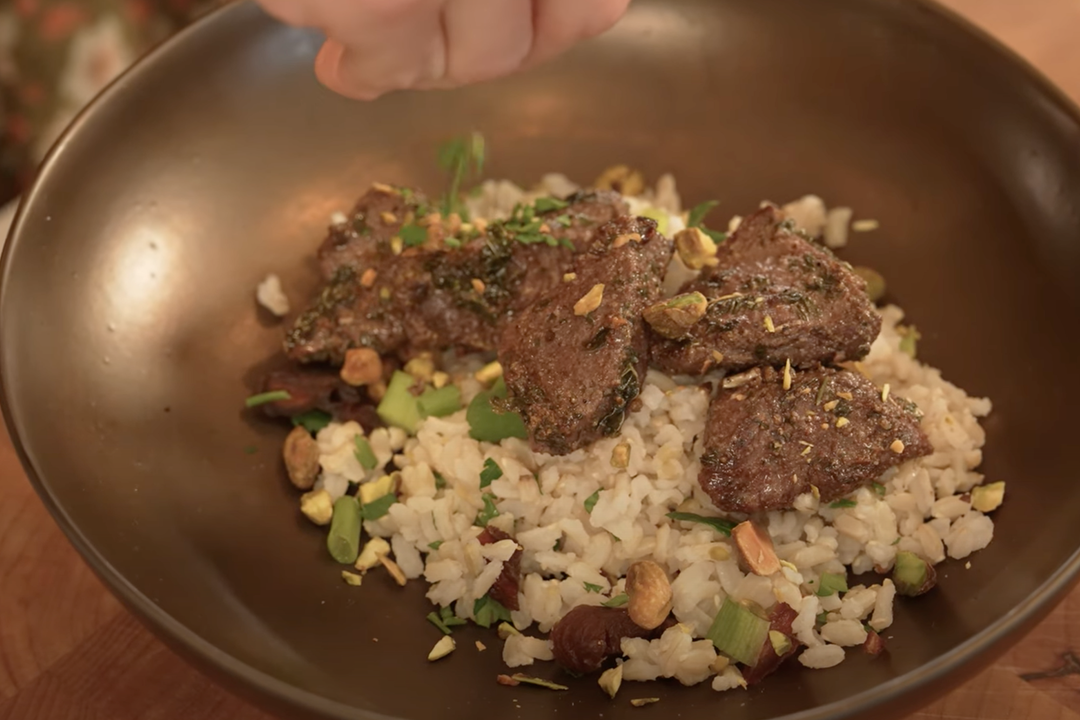
The seasonal influence on rice flavor is detectable in the cooked grain. Rice from our farm has a subtle nuttiness that emerges from complete grain maturation and balanced nutrition throughout development. There's no off-flavor or bitterness, common in rice that experienced stress or uneven nutrient availability. The texture is distinct: grains separate easily but maintain body, influenced by starch composition determined during fall grain filling.
These characteristics emerge from managing soil as a living system rather than an inert growing medium. Every seasonal transition influences the biology, chemistry, and physics of our soil. That seasonal dynamic shapes the flavor of the rice we harvest.
There's a French term, "terroir," describing how geography and climate influence wine grape flavor. The same applies to rice. The taste of Castor River rice reflects the Missouri Bootheel's alluvial soils, seasonal temperature swings, summer humidity, fall harvest timing, and year-round biological activity maintained through regenerative practices.
When you cook Castor River rice, you're tasting the accumulated effects of a year's worth of seasonal transitions, all filtered through living soil. That's the fundamental reality of how flavor develops in food crops grown with attention to soil health.
Experience rice that tastes like where it's from. Castor River rice carries the flavor of Missouri's seasons and soil. Shop now and taste what real terroir means for rice.