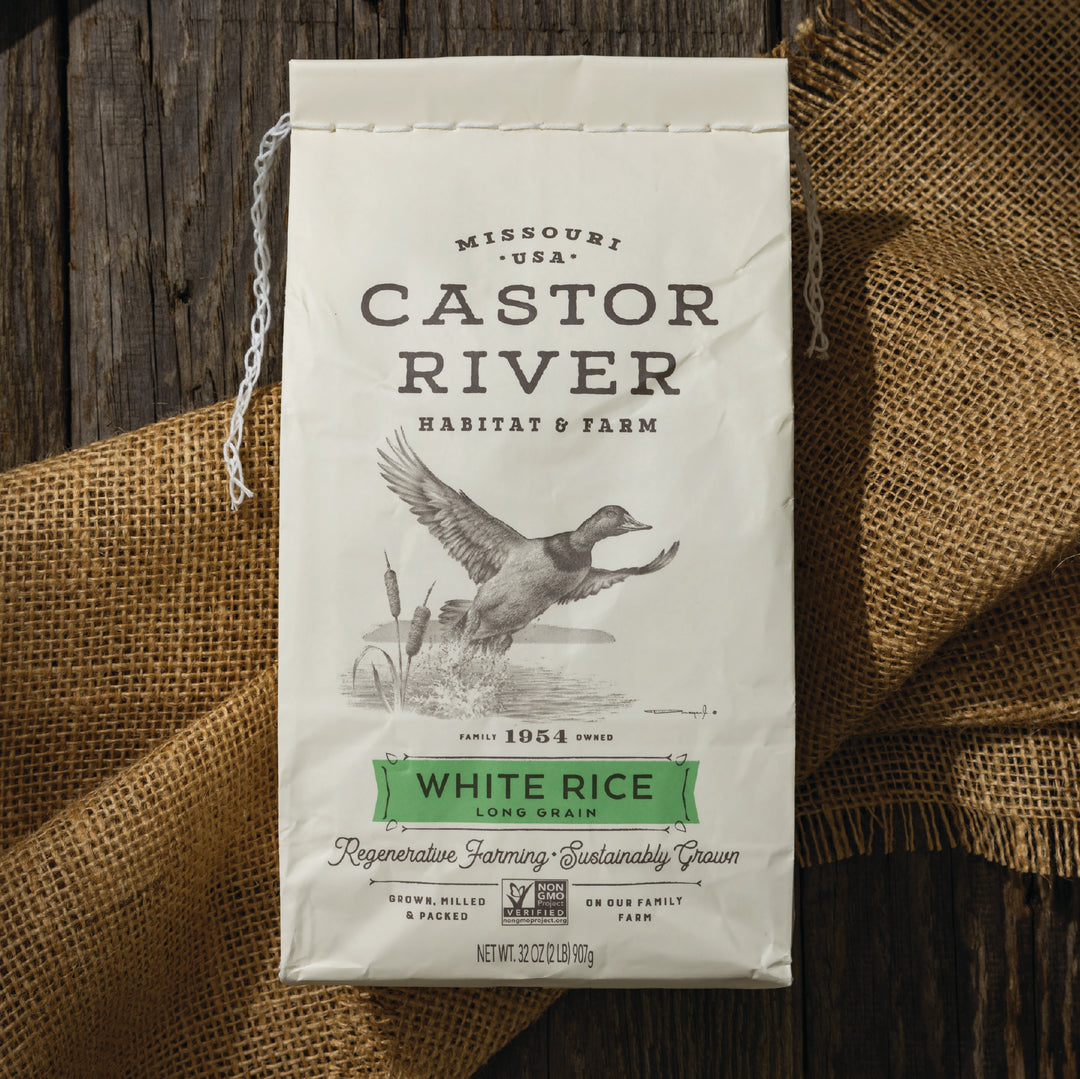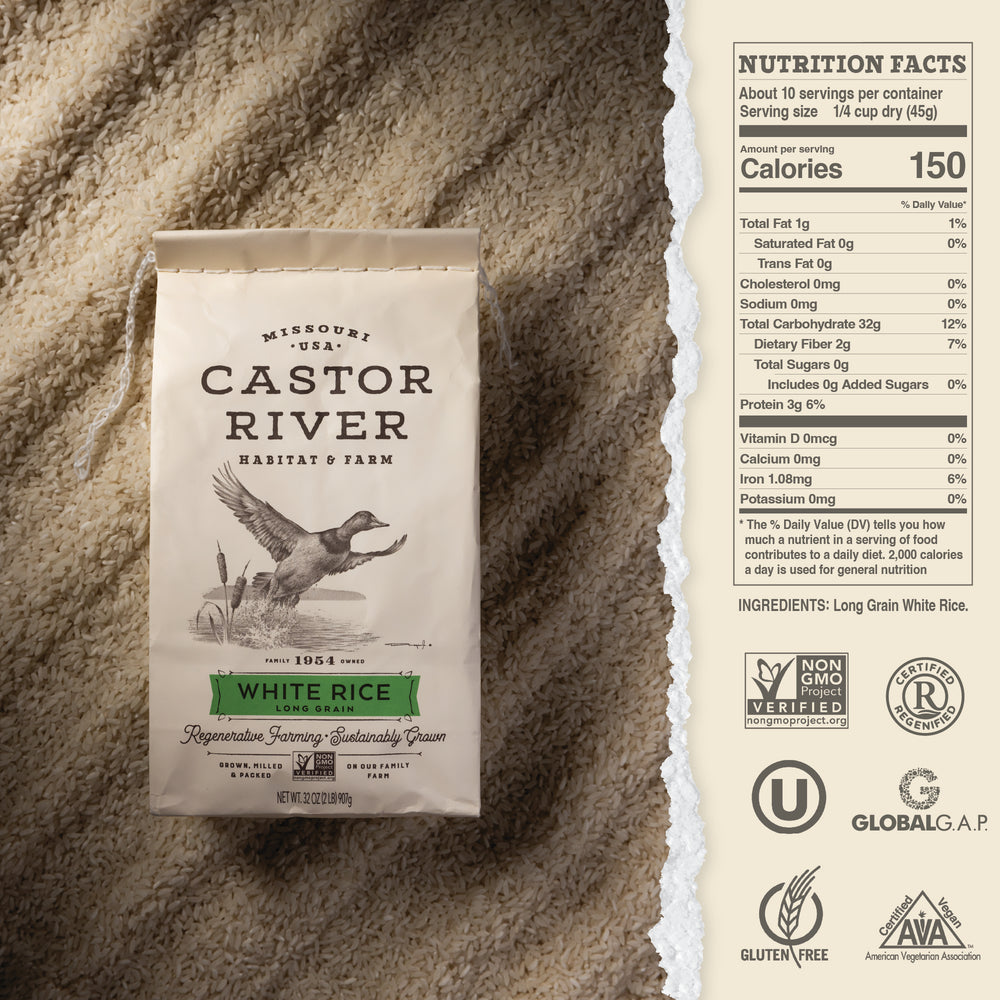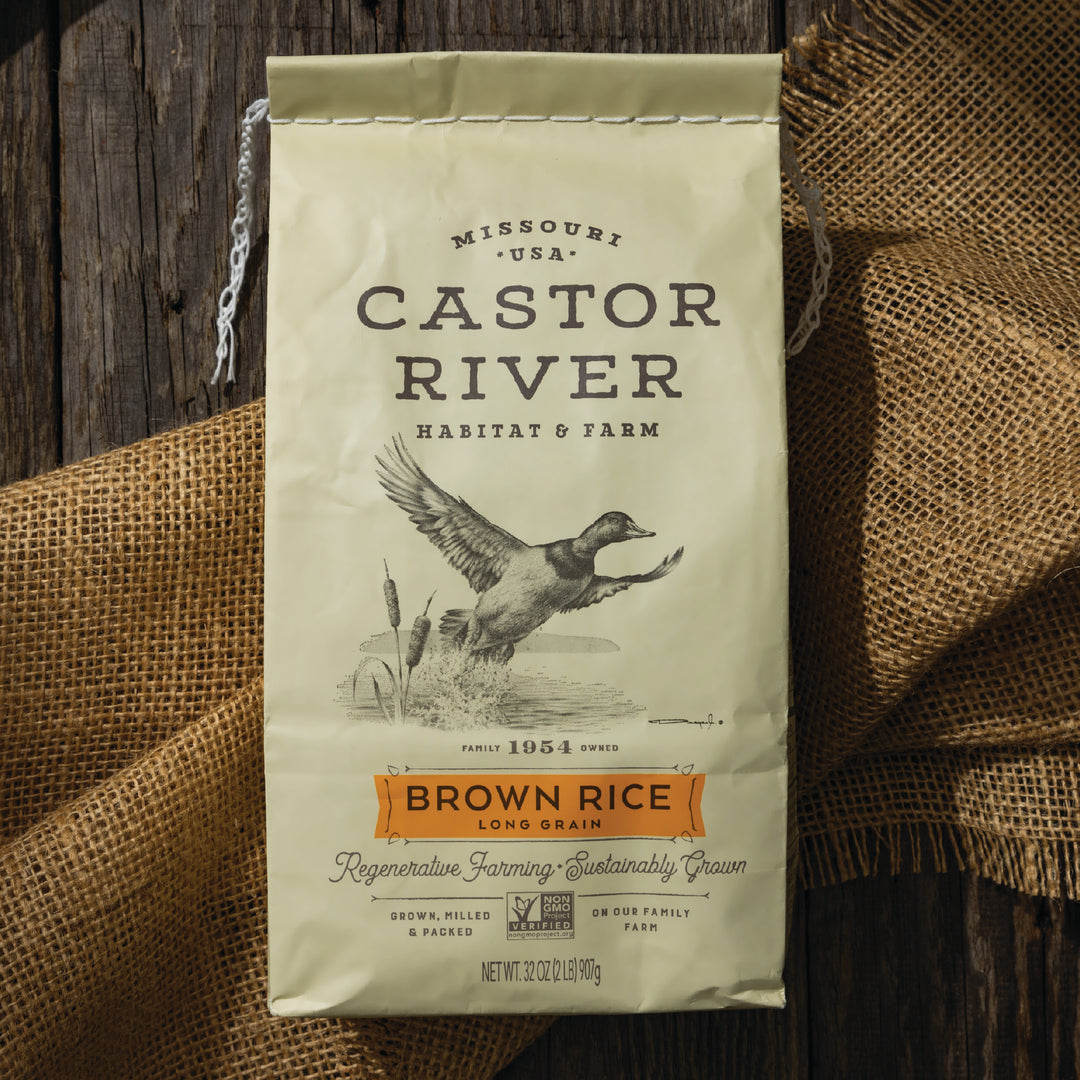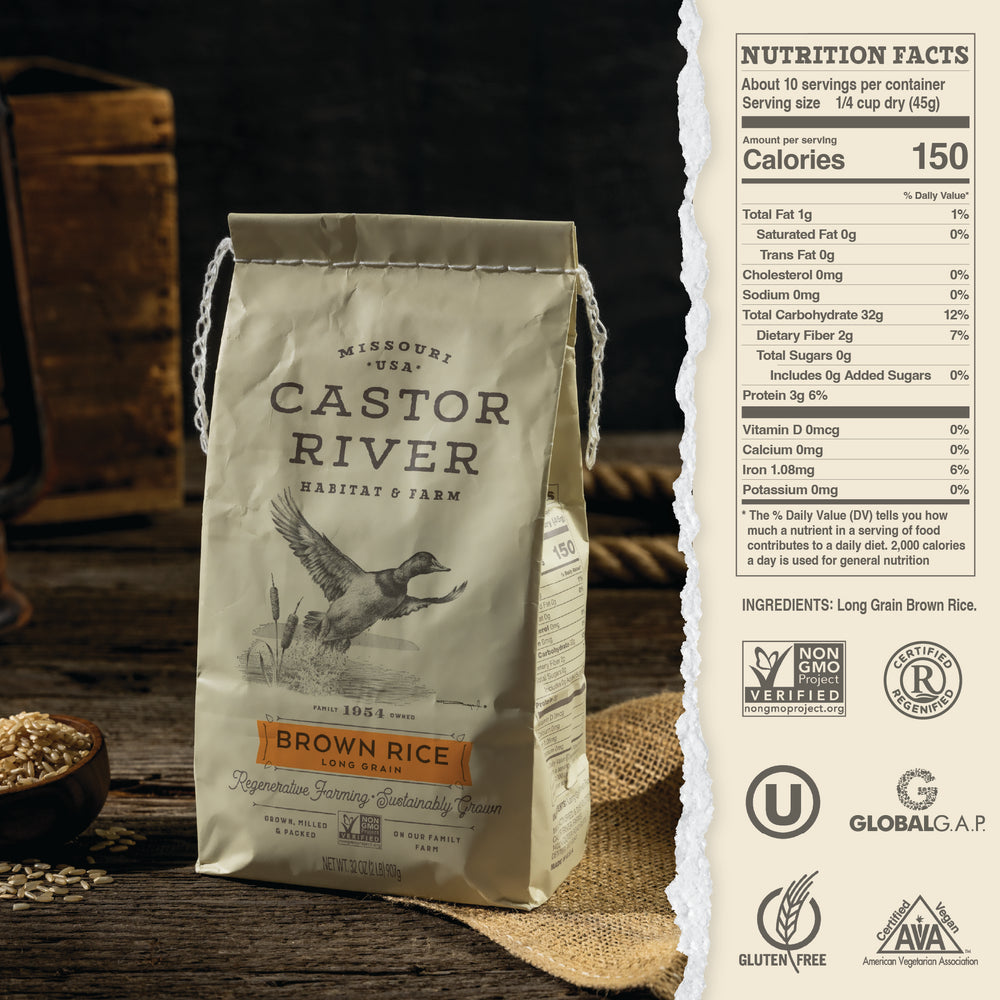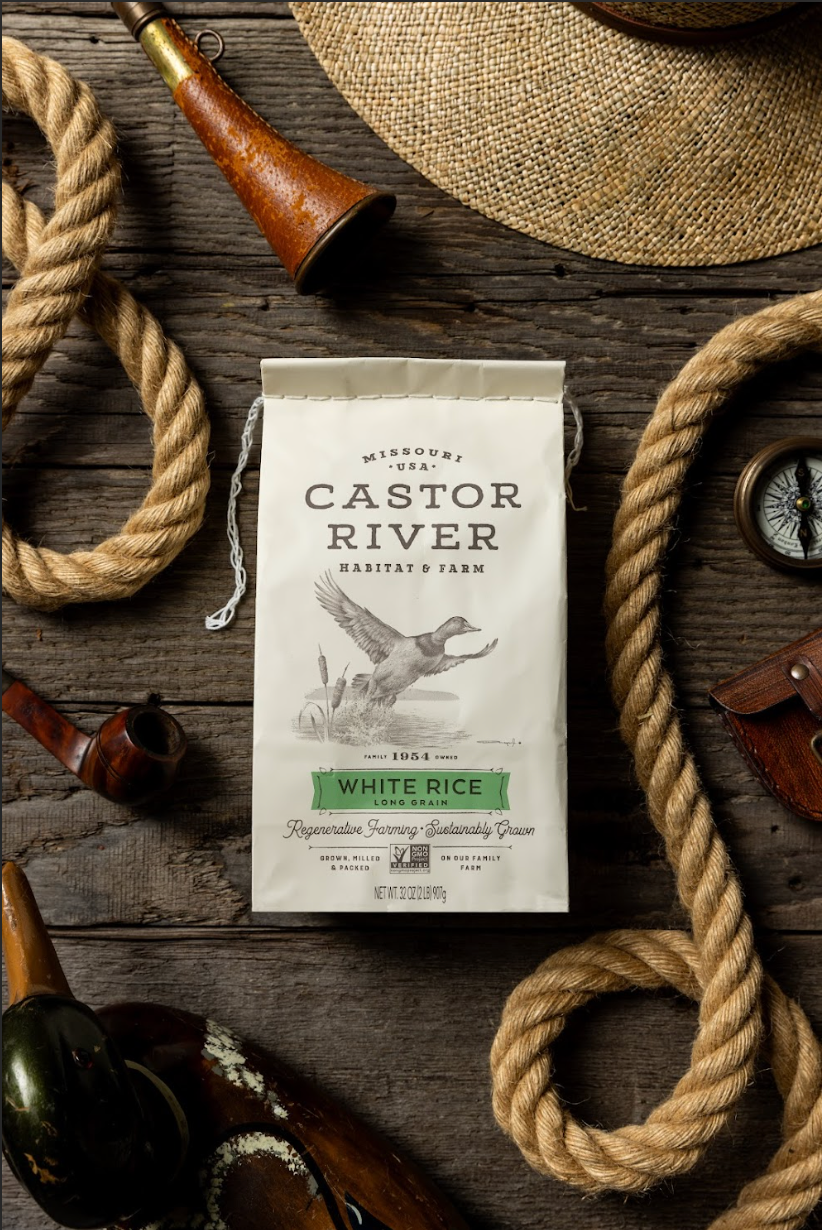



How Every Bag of Castor River Rice Supports Regeneration

Regenerative agriculture has become a popular term, thrown around by brands looking to claim environmental credentials. But actual regeneration requires more than marketing language. It demands specific practices, measurable outcomes, and a commitment to building soil health with every growing season.
At Castor River Farms, regeneration isn't a label we've adopted. It's the operational framework that guides every decision we make, from seed selection to harvest timing to what happens in our fields during the off-season. When you purchase our rice, you're not just buying a product. You're funding a system designed to leave the land healthier than we found it.
What Regeneration Actually Means
The term "regenerative agriculture" describes farming practices that rebuild soil organic matter and restore degraded soil biodiversity. This contrasts sharply with conventional agriculture, which typically depletes soil carbon, reduces microbial diversity, and requires increasing inputs of synthetic fertilizers to maintain yields.
Soil degradation isn't abstract. Globally, we're losing topsoil at rates that far exceed natural formation. Industrial agriculture accelerates this loss through tillage, monoculture cropping, and practices that leave soil bare and vulnerable to erosion. The result is land that produces less food while requiring more chemical inputs, creating a downward spiral of productivity and environmental harm.
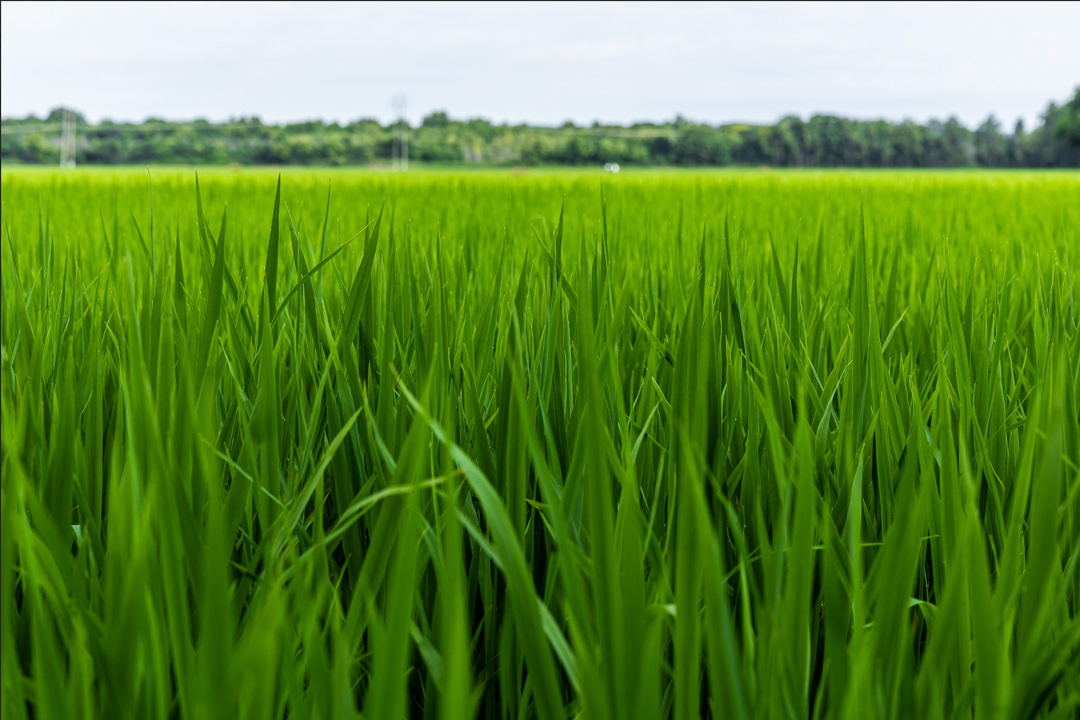
Regenerative systems reverse this pattern. By keeping living roots in the soil year-round, minimizing disturbance, and increasing plant diversity, these practices rebuild the soil ecosystem. Organic matter accumulates. Microbial populations diversify. Water infiltration improves. The land becomes more productive and more resilient over time.
The Economics of Regeneration
Here's the critical connection most people miss: regenerative agriculture only scales if it's economically viable. Farmers can't afford to adopt practices that reduce their income, regardless of environmental benefits. The good news is that regeneration, done properly, improves both ecological and economic outcomes.
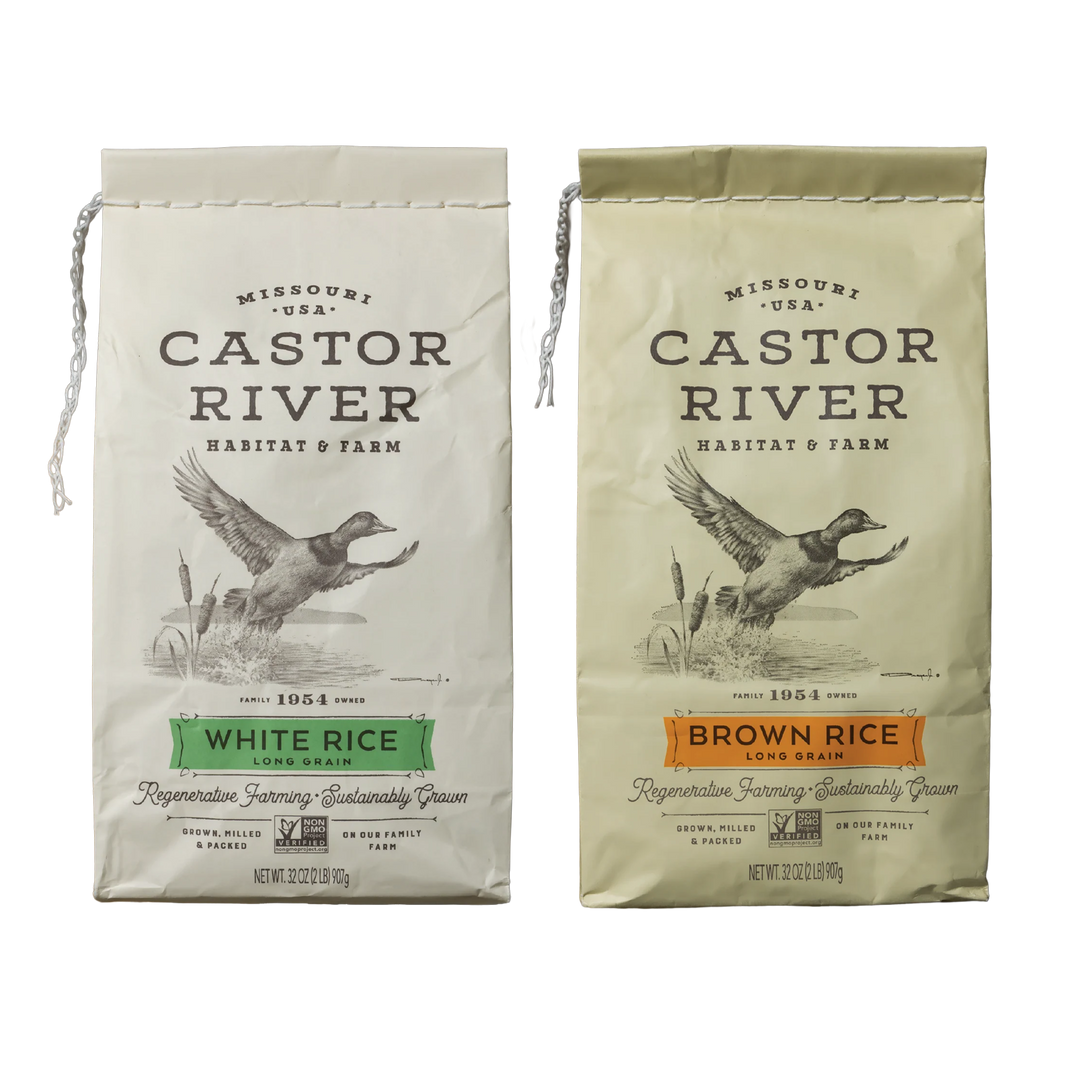
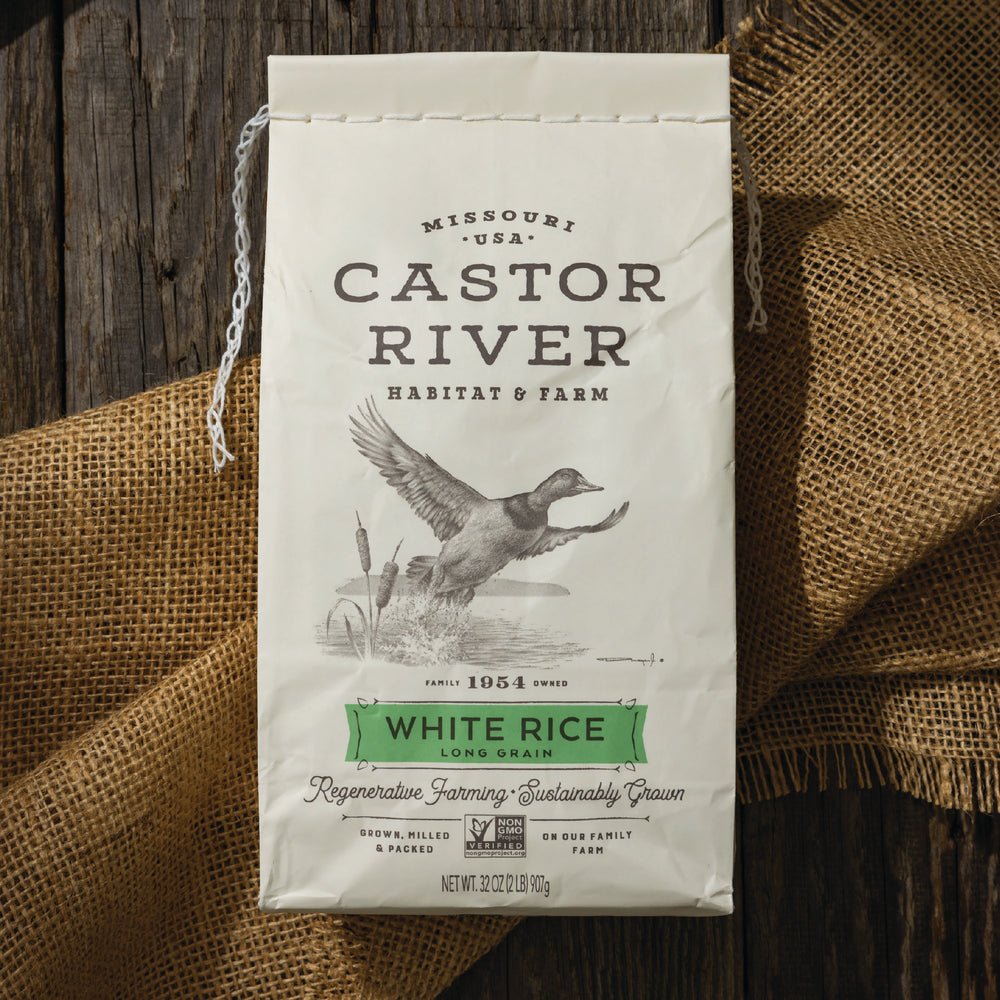
When you buy a bag of Castor River rice, your purchase directly funds regenerative practices on our farm. That revenue allows us to:
Plant cover crops on every acre. Cover crop seed isn't free. Neither is the equipment or labor required to plant it. But the investment pays dividends. Cover crops suppress weeds, reducing our need for herbicides. They capture atmospheric nitrogen, reducing our fertilizer costs. They feed soil biology, improving nutrient cycling. Over time, these benefits compound, making our operation more profitable while improving environmental outcomes.
Maintain no-till practices. Eliminating tillage saves us significant fuel costs and equipment wear. But it requires different management skills and sometimes accepting lower yields in the short term while soil structure rebuilds. Your purchases give us the financial stability to prioritize long-term soil health over maximizing this year's harvest.
Invest in precision agriculture technology. Regenerative farming isn't low-tech. We use soil sensors, weather data, and GPS-guided equipment to apply inputs only where and when needed. This technology costs money upfront but allows us to farm more efficiently, reducing waste and environmental impact while maintaining profitability.
Extend our harvest timeline. We harvest later than conventional growers, allowing grain to reach full maturity. This practice improves nutrition and flavor but increases our exposure to weather risk. The premium you pay for quality rice helps offset that risk.
The Ripple Effects of Your Purchase
Your decision to buy Castor River rice creates impacts that extend well beyond our farm gate.
Regional agricultural economy. When you support local and regional farms, you're keeping money circulating in rural communities. We purchase equipment from local dealers, buy seed from regional suppliers, and hire workers from nearby towns. That spending supports other businesses and families, creating economic resilience in agricultural regions that often struggle with depopulation and declining infrastructure.
Demonstration value. Every successful regenerative operation provides proof of concept for neighboring farmers. When we maintain profitability while building soil health, it challenges the assumption that environmental stewardship and economic viability are mutually exclusive. Other farmers notice. Some experiment with cover crops on a few acres. Some transition entire operations. Your purchases make our success possible, which in turn influences broader agricultural change.
Market signal. Food companies pay attention to consumer preferences. When regeneratively grown products find reliable markets, it encourages more farmers to adopt these practices and more retailers to stock these products. Your buying decisions send signals that ripple through supply chains, gradually shifting how food gets produced.
Measuring What Matters
Regeneration requires accountability. We don't just claim to be building soil health; we measure it. Soil organic matter testing, water infiltration rates, and biological activity assessments provide objective data about whether our practices are working.
Over the past five years, we've increased soil organic matter by an average of 0.7% across our fields. That might sound modest, but in agricultural terms, it's significant. Each percentage point increase in organic matter improves water-holding capacity, nutrient retention, and biological activity. It represents tons of carbon sequestered from the atmosphere and stored in our soil.
We've also documented improvements in water infiltration rates, meaning our soil absorbs rainfall more effectively and is less prone to erosion. This matters both for our farm's productivity and for downstream water quality. Soil that holds water doesn't send sediment and nutrients into nearby waterways.
Beyond Carbon: The Full Picture
Much of the conversation around regenerative agriculture focuses on carbon sequestration, and rightfully so. Agricultural soils have enormous potential to capture and store atmospheric carbon. But regeneration delivers benefits that extend beyond climate impact.
Improved soil health means greater drought resilience. During dry periods, our fields retain moisture better than conventionally farmed land, allowing crops to withstand stress. This resilience becomes increasingly valuable as weather patterns become less predictable.
Diverse soil biology provides natural pest and disease suppression. Healthy soil ecosystems include predatory organisms that control pest populations and beneficial microbes that help plants resist pathogens. This reduces our reliance on chemical interventions.
Enhanced soil structure prevents erosion and nutrient runoff, protecting water quality in the streams and rivers that drain our region. This matters for everyone downstream who depends on clean water.
The Choice on Your Shelf
Walk into most grocery stores and you'll find dozens of rice options, many priced lower than ours. That price difference reflects real costs that someone has to pay. Conventional rice often comes from systems that externalize environmental costs: degraded soil, contaminated water, greenhouse gas emissions. Those costs don't appear on the price tag, but society pays them eventually through environmental remediation, healthcare costs, and climate impacts.
When you choose Castor River rice, you're opting into a different model. The price reflects the true cost of production using methods that build rather than deplete natural resources. It funds the extra time, attention, and investment required to farm regeneratively.
This isn't charity. You're receiving tangible value: rice with superior flavor, better nutrition, and the knowledge that your food choices align with your environmental values. But you're also participating in something larger: a food system that works with natural processes instead of against them.
The Long View
Regenerative agriculture represents a fundamental shift in how we think about farming. Instead of extracting maximum short-term productivity from land, it asks: How do we manage this land so it's more productive in twenty years than it is today?
That question changes everything. It prioritizes soil health over immediate yield. It values biological diversity over monoculture simplicity. It recognizes that the farmer's role isn't to dominate nature but to work within ecological systems that have sustained life for millions of years.
Every bag of Castor River rice you purchase supports this approach. It funds another season of cover crops protecting and feeding our soil. It enables another year of building organic matter and biological diversity. It demonstrates that regenerative agriculture can succeed economically, encouraging others to follow this path.
The land we farm doesn't belong to us; we're temporary stewards responsible for passing it on in better condition than we received it. Your purchases make that stewardship possible.
Ready to support agriculture that builds rather than depletes? Every bag of Castor River rice funds regenerative practices that improve soil health, protect water quality, and create a more resilient food system.
Shop now and make your food choices count for something more.