


National Rice Month: A Grain Worth Pausing For

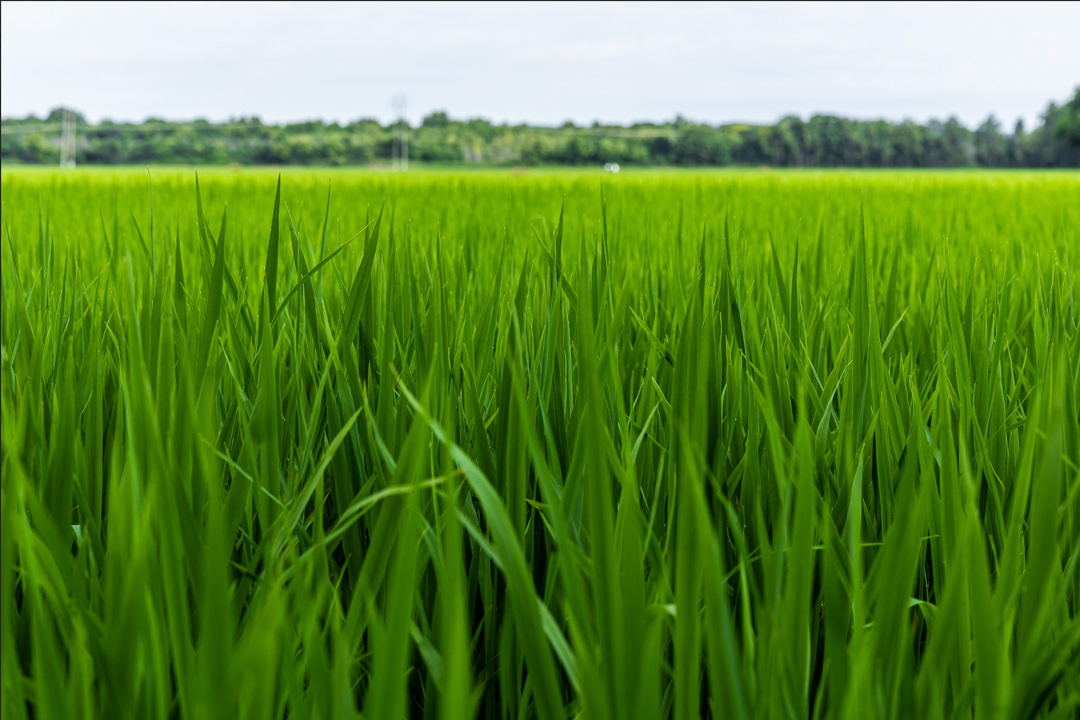
Every September is marked as National Rice Month, a time set aside to recognize one of the world’s oldest and most essential foods. But for those of us who live with rice in the ground, this month is more than a calendar designation. It’s a reminder that each grain carries the story of soil, water, and people who choose to grow with care.
A Grain Rooted in History
Rice has been cultivated for thousands of years. In Asia, it shaped entire cultures and cuisines; in China, the word for rice is the same word for food. In Japan, planting and harvest rituals bound communities together. In the United States, rice fields stretch across six major states, Arkansas, Missouri, Louisiana, Mississippi, Texas, and California, feeding families and shaping rural economies.
National Rice Month puts a spotlight on that heritage, but it also prompts a question:
What kind of grain do we want to pass forward?
At Castor River, the answer is clear:
Rice should reflect the health of the land it comes from and the integrity of the farmers behind it.
What the Grain Holds Inside
Every kernel of rice is made up of layers, the bran, the germ, and the endosperm. Whether those layers stay or go shapes the flavor, nutrition, and texture:
-
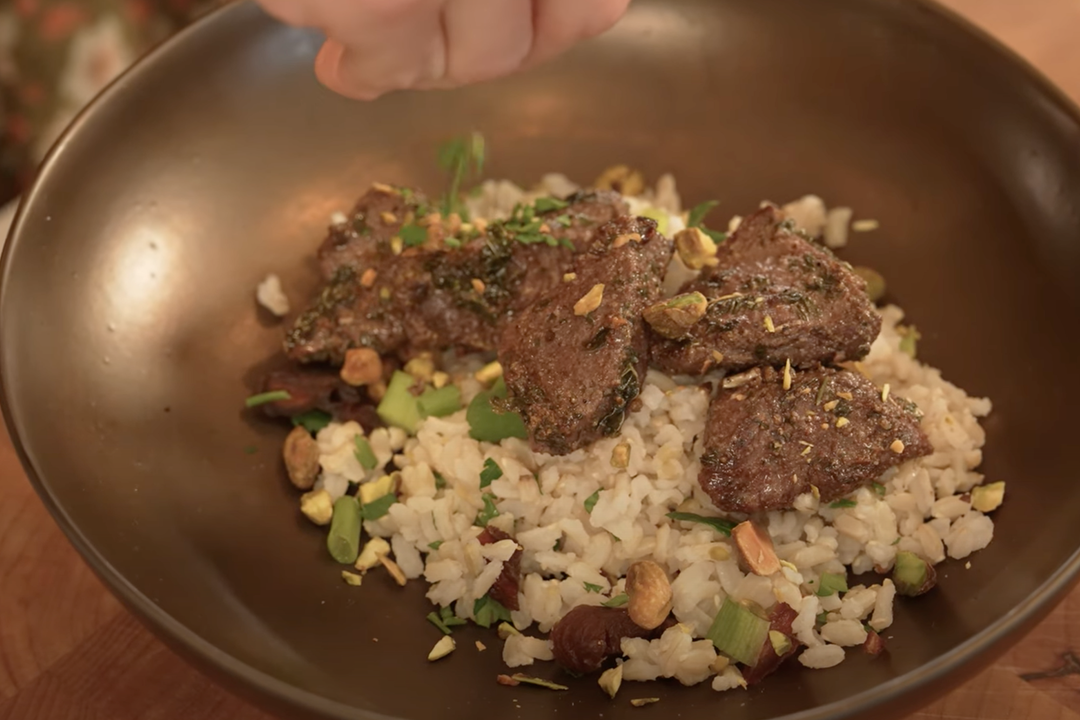
Brown rice keeps all its layers intact. That means more fiber, more minerals, and a nutty, hearty bite.
-
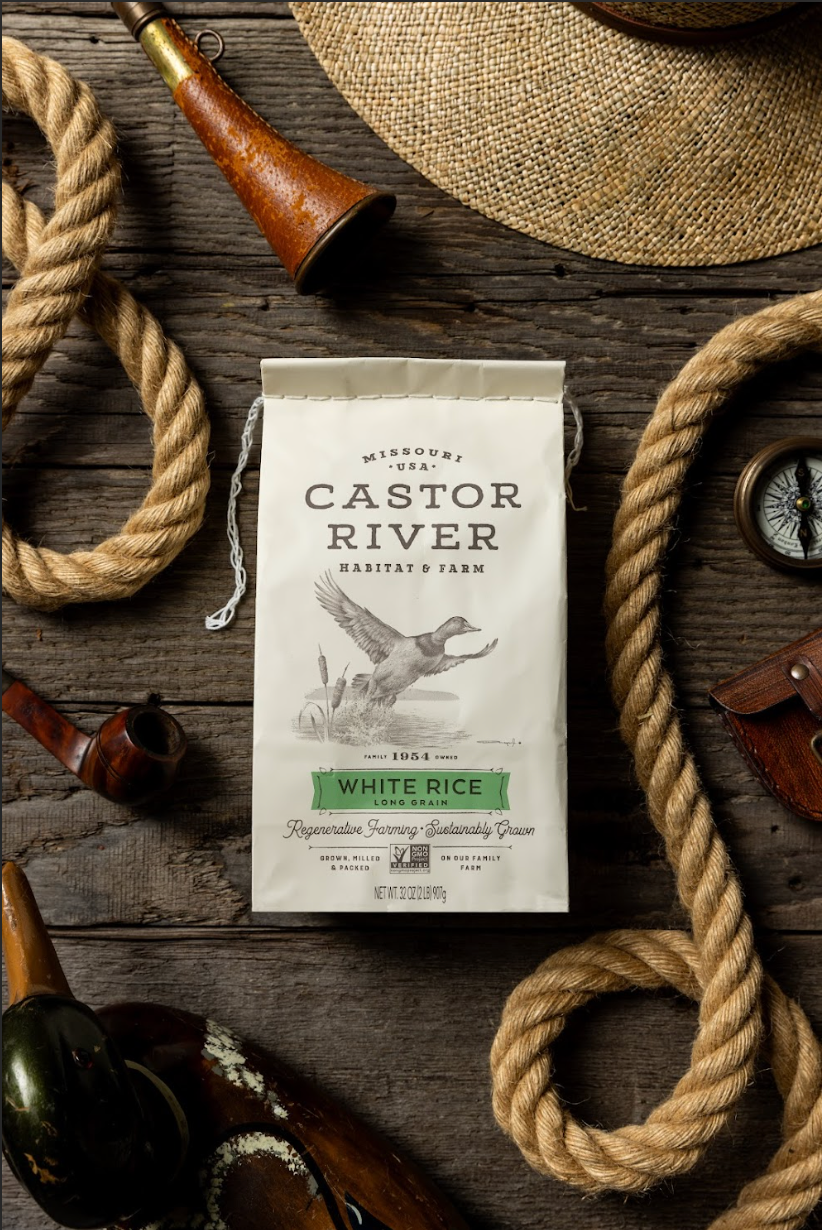
White rice is milled further, softer and faster to cook, a blank canvas that absorbs flavors beautifully.
-
Red and black rice deliver even more antioxidants and deeper, earthier notes.
These differences aren’t cosmetic. They’re the direct result of how rice is grown, harvested, and milled. At Castor River, milling is done with precision, not haste, so the integrity of each grain is preserved, whether it’s left whole or polished down.
Harvest as Reflection
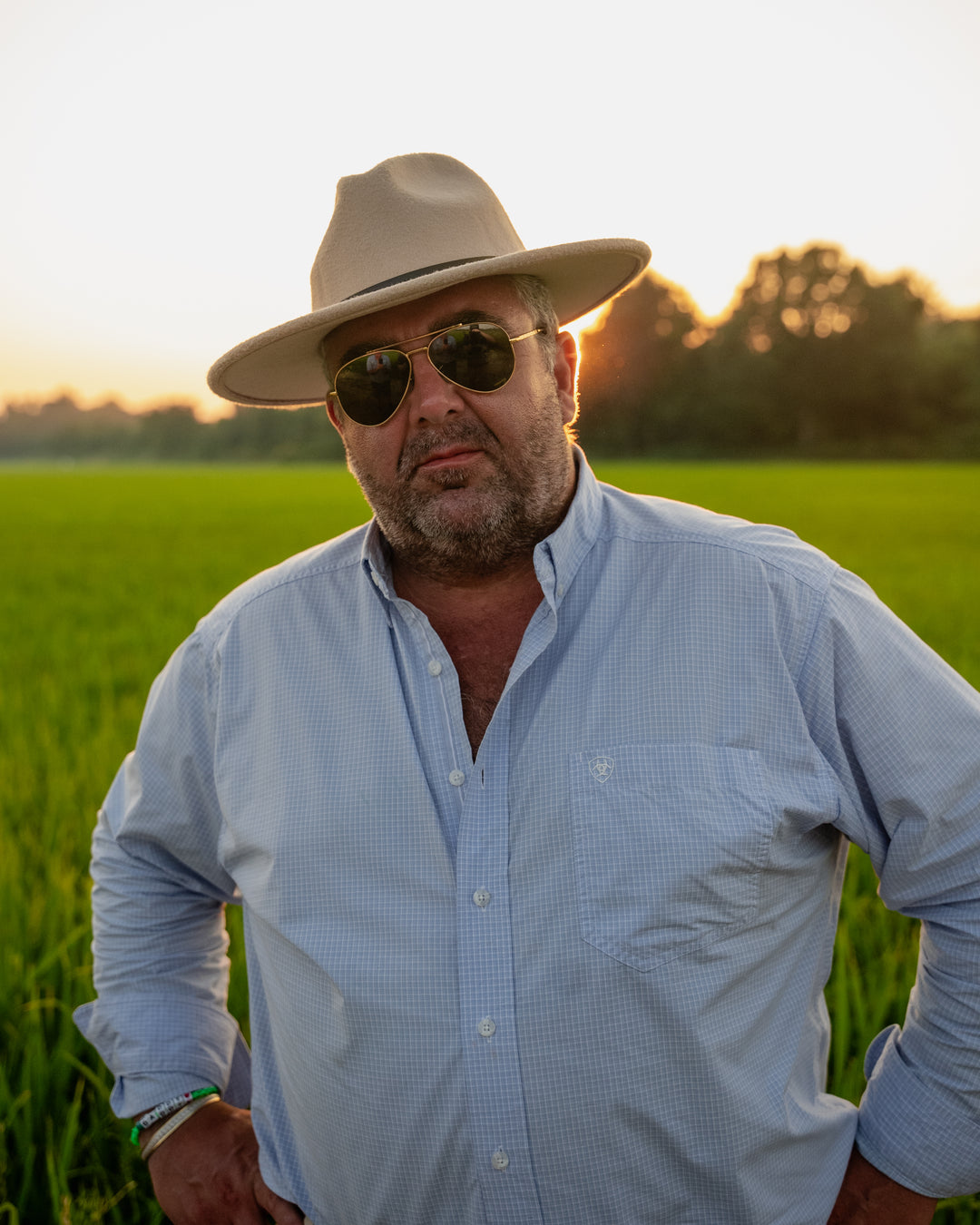
In our part of Missouri, September doesn’t just mean National Rice Month, it means harvest. Combines hum across the fields, collecting a year’s worth of labor. It’s a season of long days and steady work, but also one of reflection.
Bringing rice from field to bin is more than a transaction. It’s proof of healthy soil cycles, careful water use, and a promise that we’re leaving land stronger than we found it. National Rice Month lands right in the middle of that rhythm, reminding us that this grain isn’t only a staple food. It’s the product of trust, between farmer and field, and between farmer and family at the table.
Bringing It Back to the Table
You don’t need to be in a combine to celebrate National Rice Month. You can honor the grain from your own kitchen:
-
Cook with curiosity. Try a variety you haven’t used before and notice how it behaves on the plate.
-
Make it central. Let rice be the heart of a dish, not just the side.
-
Tell its story. Share with your family how whole-grain rice differs from white, or how soil health shows up in flavor.
-
Choose carefully. Seek out rice that reflects stewardship, not shortcuts, the kind that carries the farmer’s care in every bite.
These small acts turn a bag of rice into something more: a connection between land, farmer, and meal.
The Heart of National Rice Month
In the end, National Rice Month is about remembering that food doesn’t appear by chance. Every grain represents choices made long before it reached your pantry, choices about soil, water, and the value of integrity.
When you put rice on the table this September, you’re sharing more than a meal. You’re sharing a story of land renewed, of traditions upheld, and of farmers who believe that how we grow matters as much as what we grow.
Bring that story to your table.