


Fall in the Delta: Why the Mid-South Is Perfect for Growing Rice

Fall in the Delta: Why the Mid-South Is Perfect for Growing Rice
There's something unmistakable about fall in the Delta. The air sharpens, the sun mellows, and the land shifts into a rhythm that belongs to harvest. For Castor River Farms, this season in the Missouri Bootheel represents the payoff for a year of deliberate choices, careful observation, and working with soil that's been built over centuries.
The Delta Advantage: Geography as Destiny
The Mississippi Delta runs from Southeast Missouri down through Arkansas and Mississippi, ranking among the most productive agricultural regions anywhere. For thousands of years, the Mississippi River flooded its banks annually, carrying sediment from as far north as Minnesota and as far east as Pennsylvania. Each flood deposited a thin layer of mineral-rich soil, building what geologists call alluvial deposits. Over millennia, these layers created the deep, fertile foundation that now supports some of America's most important cropland.
This geological history matters for rice. Unlike wheat or corn, rice demands specific soil conditions: good water retention during the growing season, but adequate drainage to prevent root disease. The Bootheel's alluvial soils offer exactly this balance. Their clay content holds moisture, while their structure allows excess water to move through. Where other regions struggle with either sandy soils that drain too quickly or heavy clay that waterlogs, the Delta provides natural equilibrium.
At Castor River Farms, we occupy the northern edge of this Delta system, where geography creates an additional advantage. Cooler nights and moderate humidity during the growing season allow rice plants to conserve energy. During the day, photosynthesis produces sugars. At night, cooler temperatures reduce respiration, meaning the plant burns less of those sugars for maintenance and can direct more toward grain development. The result is rice with better kernel integrity, improved nutritional density, and cleaner flavor.
Fall: When Science Meets Season
Spring planting draws attention, but fall reveals how well farmers have read their land. As summer's intensity fades, soil temperatures remain warm, typically between 65-75°F. This warmth keeps root systems active while cooler air temperatures reduce plant stress. Rice enters what agronomists call the ripening phase, shifting from vegetative growth to grain filling.
During this period, starches in the grain undergo a transformation. Amylose and amylopectin molecules arrange themselves into crystalline structures that determine the rice's cooking properties and nutritional value. Rushing this process through early harvest produces grain that's less stable, less nutritious, and less flavorful.
We harvest later than conventional growers, allowing an extra 10-14 days for full maturation. This patience yields measurable differences. Laboratory analysis of our rice shows higher levels of resistant starch, a form of carbohydrate that functions like dietary fiber, supporting digestive health and blood sugar regulation. The grain also accumulates more minerals, particularly iron, zinc, and magnesium, drawn from the living soil ecosystem below.
After harvest, our work continues. We plant cover crops across every acre: a mix of cereal rye, crimson clover, and radishes. These plants serve multiple functions. Their roots penetrate deep, creating channels that improve water infiltration and soil aeration. They capture residual nitrogen that might otherwise leach into waterways. And when they decompose in spring, they add organic matter back to the soil, feeding the microbial communities that will support next year's rice crop.
Redefining Rice Farming: Innovation Rooted in Ecology
Traditional rice cultivation developed in Asia thousands of years ago and relies on a simple principle: flood the fields to suppress weeds and create anaerobic conditions that rice, uniquely among cereal grains, can tolerate. This system works, but it comes with costs. Flooded rice paddies are the largest agricultural source of methane, a greenhouse gas 28 times more potent than carbon dioxide. Flooding also requires enormous water inputs, often exceeding 1,000 gallons per pound of harvested rice.
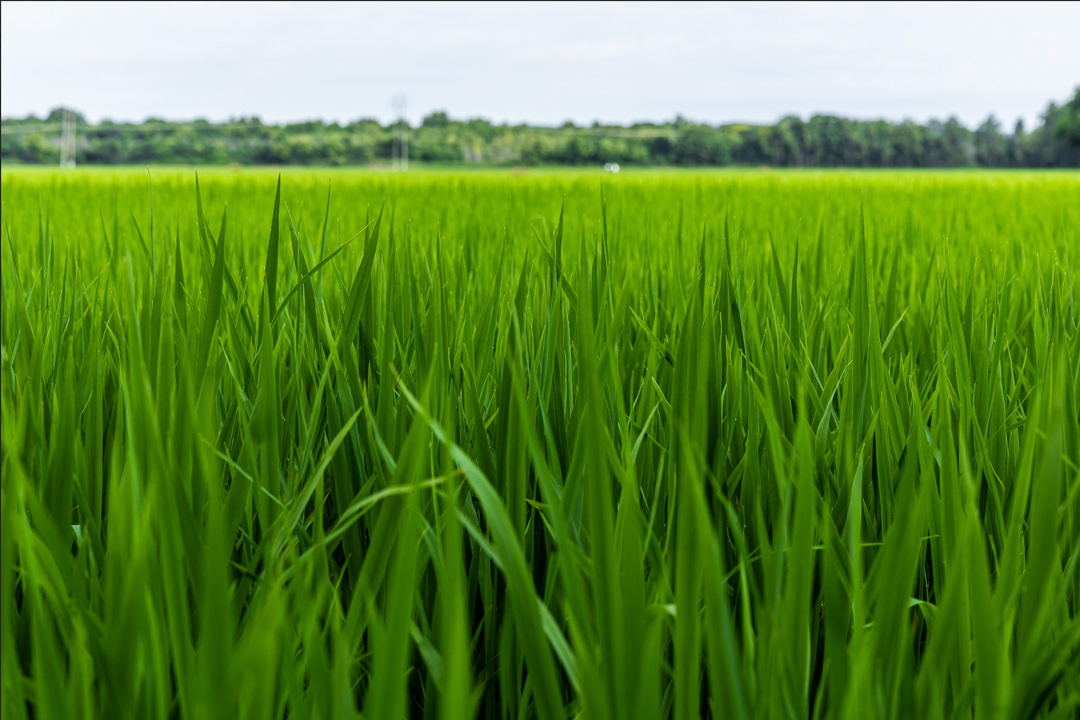
The Delta offers an alternative. Our no-till, non-flooded system takes advantage of the region's natural moisture patterns and soil structure. Rather than flooding, we use precision irrigation to maintain optimal soil moisture. Rather than tilling to control weeds, we use cover crops and crop rotation to suppress weed pressure naturally.
The environmental benefits are substantial. Our system reduces water consumption by approximately 40% compared to flooded cultivation. By eliminating flooding, we cut methane emissions by over 80%. No-till practices mean we're not burning diesel to plow and disk our fields repeatedly, further reducing our carbon footprint.
But the benefits extend beyond carbon accounting. By keeping living roots in the soil year-round through cover cropping, we're building soil organic matter at a rate of 0.5-1% per year. This matters because soil organic matter is the foundation of soil health. It holds nutrients, retains moisture, supports beneficial microbes, and creates the soil structure that allows roots to penetrate deeply.
Rooted in Place: Community and Continuity
The Bootheel represents more than geography. Families here have farmed the same ground for four, five, sometimes six generations. They've watched the land respond to different practices. They remember when every field was plowed twice each spring, when crop residue was burned, when the goal was maximum short-term yield regardless of long-term cost.
The shift toward regenerative agriculture in this region didn't happen overnight. It emerged from farmers asking better questions: What if we could grow the same amount of rice while building soil instead of depleting it? What if we could reduce input costs and environmental impact simultaneously? What if the practices that benefit the land also benefit the next generation who'll farm it?
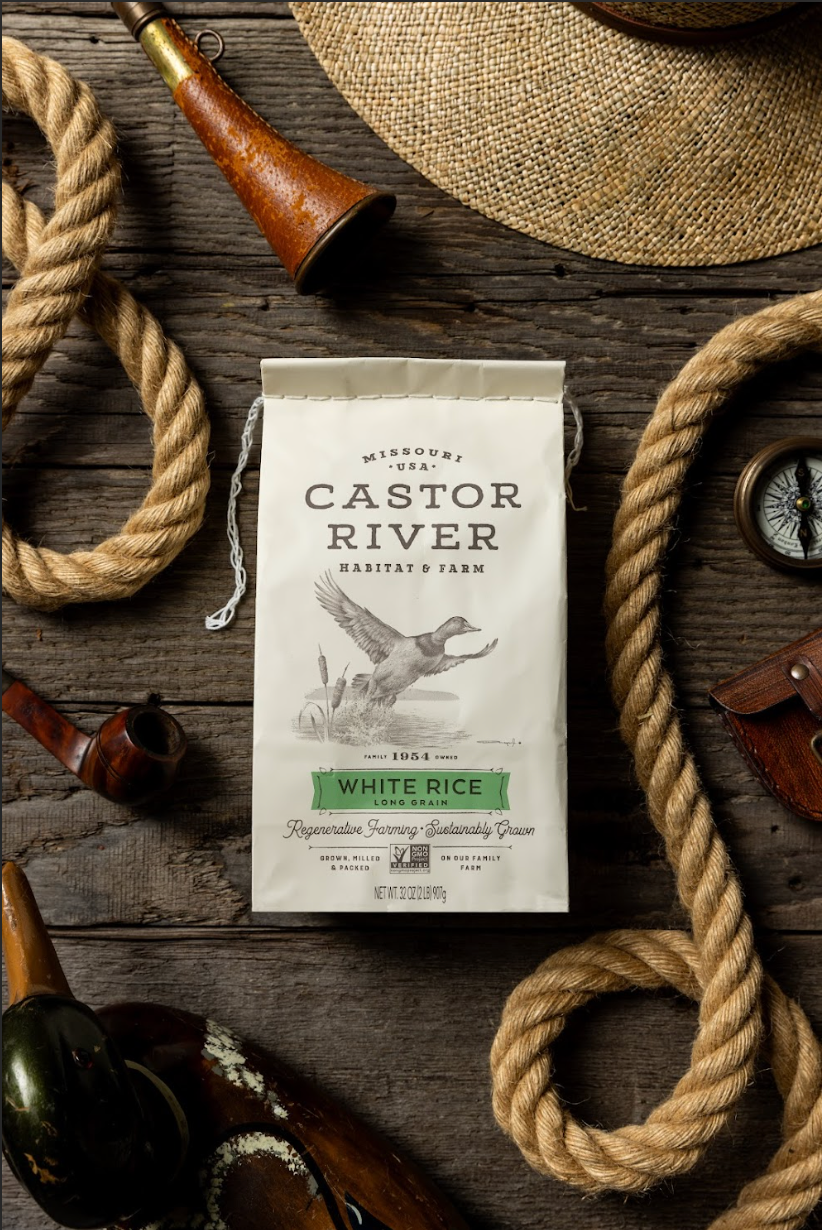
Every bag of Castor River rice carries this evolution: ancient river deposits that created the possibility, modern scientific understanding that guides our decisions, and a commitment to practices that ensure this land remains productive for those who come after us.
Experience rice grown the way it should be. Our fall harvest is available now. Shop Castor River Farms and taste what happens when fertile Delta soil, patient farming, and regenerative practices come together in every grain.